Data Centers
Data centers have become the most capital-hungry asset class in commercial real estate almost overnight. Capital markets have embraced the sector, construction pipelines are full, and deal volume continues to set records.
For the past few years, the CRE conversation has centered on repricing—cap-rate shifts, interest-rate pressure, and constant recalibration in the capital markets. As 2026 approaches, a different reality is taking hold. Performance gains are no longer coming from acquisitions; they’re coming from how assets are run. With expenses rising across the board, operational discipline is becoming the factor that separates durable performers from vulnerable ones.
n today’s CRE market, the defining advantage isn’t location or amenities—it’s reliable, affordable power. Developers are realizing that access to steady energy sources now determines value creation. Amid growing grid strain, rapid electrification, and climate volatility, energy resilience has become the new currency of confidence among owners, tenants, and investors.
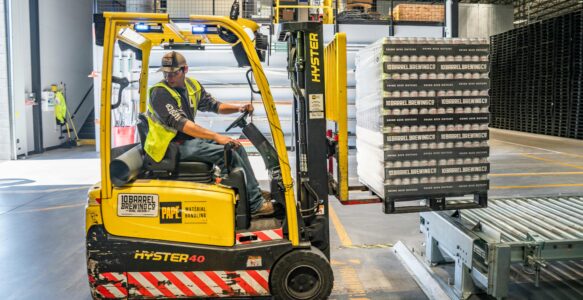
A new wave of industrial demand is redefining the asset class. Automation, nearshoring, and tech-first occupiers are turning warehouses into essential, future-ready logistics hubs—and developers are moving fast to keep up.
Power approvals for grid-independent facilities—think solar, batteries, or gas backups—are lagging, forcing CRE professionals to rethink site selection, budgets, and deal strategies.
In CRE, artificial intelligence has gone from experiment to essential. Today’s AI tools digest massive datasets—traffic, demographics, economic shifts, even online sentiment—to guide site selection faster and more accurately than any traditional approach.
As businesses and individuals generate massive amounts of data, the demand for data center real estate has surged, creating both opportunities and challenges in the commercial real estate (CRE) sector.
As the industrial commercial real estate (CRE) market evolves into 2025, technological advancements will continue to be the primary catalysts of change.