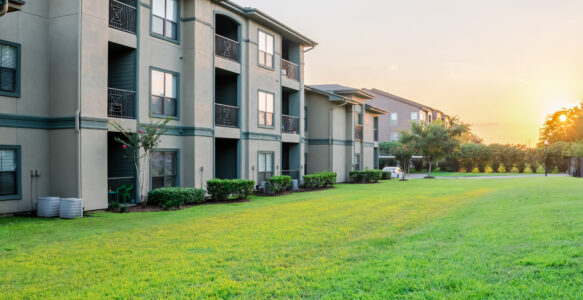
Garden-Style Communities
With long-term institutional investment data pointing to consistently attractive results with garden-style apartments across multiple market cycles, these communities are beginning to get a closer look from more investors.
With long-term institutional investment data pointing to consistently attractive results with garden-style apartments across multiple market cycles, these communities are beginning to get a closer look from more investors.
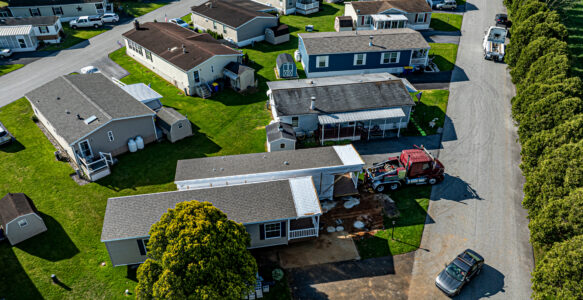
For years, manufactured housing has been treated as a side conversation in American real estate. It’s too often reduced to outdated stereotypes, too rarely understood as a modern housing product, and almost never discussed with the urgency the affordability crisis now demands. That posture no longer fits the facts.
Manufactured housing is not a silver bullet. But it is one of the few scalable forms of unsubsidized homeownership still available at a price many households can realistically reach.
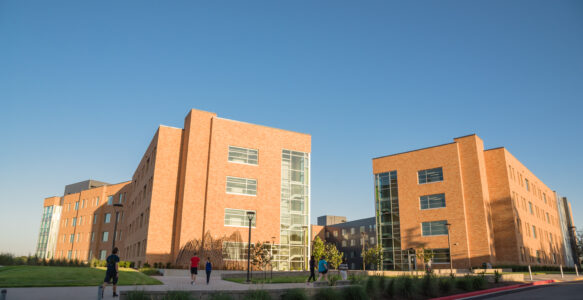
Student housing still looks like one of the steadiest corners of commercial real estate. Yardi Matrix reports that preleasing for the 2026-2027 academic year reached 52.3% in January, ahead of an estimated 45.6% a year earlier. Across 184 universities, total fall 2025 enrollment reached 4.9 million students, up 1.8% year over year. For investors looking for durable demand, those are the kind of numbers that keep the sector near the top of the watch list.
Demography is the quiet engine under real estate. Buildings don’t create demand; people do. When population patterns change, the built environment eventually follows
This master report combines analysis of 1,590 properties across Montana’s MLS system over a two-year period (February 2024 – February 2026), covering both multifamily residential and all commercial property types. Together, these sectors represent $652,782,204 in closed transaction volume — a comprehensive view of Montana’s investment real estate landscape.
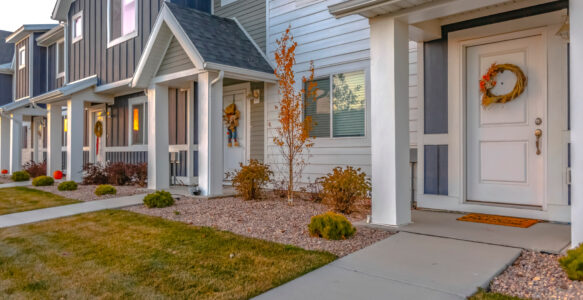
By creating purpose-built rental communities from the ground up, Build-to-Rent projects are helping address the supply shortage that’s driving unaffordability, offering quality housing options for families who can’t or don’t want to buy in today’s market.
By 2025, amenities have evolved from nice-to-have perks into non-negotiable essentials. In today’s multifamily and mixed-use projects, success is increasingly defined not by square footage but by the lifestyle value a property delivers. This “amenity arms race” is well underway, prompting developers to prioritize features that promote resident retention and long-term satisfaction over flashy novelties that quickly fade.
Build-to-Rent (BTR) is quickly emerging as one of the fastest growing sectors in commercial real estate. With occupancy rates near 96% and more than $3.4 billion in dedicated financing, this isn’t just a passing trend, it’s a fundamental shift in how Americans are choosing to live.
The adaptive reuse movement is flipping the script on traditional CRE development instead transforming existing structures in innovative ways.
Rents are Growing Faster than Wages Across the US Why it Matters Rents are Growing Faster than Wages Across the US Why it Matters Rents …