2025 in Review
Across every major theme we covered in 2025, one message converged. CRE entered a performance era, not a multiple-expansion era. That shift fundamentally changes what CRE strategy means heading into 2026.
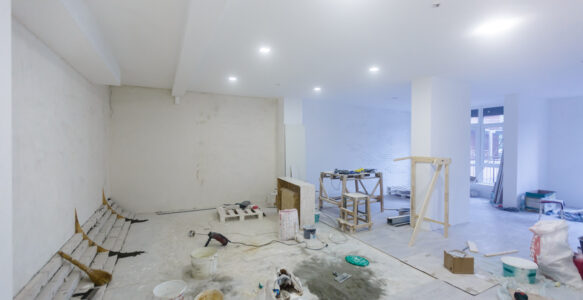
As vacancies rise and construction costs climb, adaptive reuse has become CRE’s most bankable strategy. Developers are transforming obsolete buildings into productive assets that deliver faster returns, smaller carbon footprints, and stronger community value.
n today’s CRE market, the defining advantage isn’t location or amenities—it’s reliable, affordable power. Developers are realizing that access to steady energy sources now determines value creation. Amid growing grid strain, rapid electrification, and climate volatility, energy resilience has become the new currency of confidence among owners, tenants, and investors.
In commercial real estate, capital isn’t king anymore—clarity is. With cap rates rising, refinancing pressure mounting, and $600 billion in CRE debt maturing by 2028, the real question isn’t who has the cash—it’s who knows what their properties are really worth. In today’s market, valuation transparency is a strategic advantage that unlocks trust, speeds up deals, and attracts capital.
As we head into the 2025 holiday season, the retail real estate landscape is buzzing with transformation. In a recent episode of the CRE with CBC Worldwide Podcast, Dan Spiegel sat down with James Cook, Director of Retail Research at JLL, to unpack the latest trends shaping consumer behavior, site selection, and the future of retail.
Several forces are accelerating the shift. Industrial and data center developers are hitting hard constraints in core markets—particularly around power availability and land scarcity. These limitations are pushing demand toward second-tier hubs, with cities like Phoenix, Dallas, and Atlanta emerging as hotspots for new development pipelines.
Coldwell Banker Commercial® has announced the creation of the Drew Ward Warne Advisory Group, a newly formed brokerage that brings together some of Montana’s most respected real estate professionals and seasoned professionals under one banner. This merger combines decades of experience and expertise to deliver exceptional service and innovative solutions for commercial clients throughout the region.
A new wave of industrial demand is redefining the asset class. Automation, nearshoring, and tech-first occupiers are turning warehouses into essential, future-ready logistics hubs—and developers are moving fast to keep up.
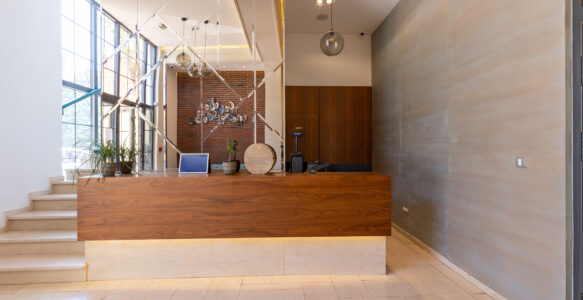
By 2025, amenities have evolved from nice-to-have perks into non-negotiable essentials. In today’s multifamily and mixed-use projects, success is increasingly defined not by square footage but by the lifestyle value a property delivers. This “amenity arms race” is well underway, prompting developers to prioritize features that promote resident retention and long-term satisfaction over flashy novelties that quickly fade.
Commercial real estate comprises many different categories: office, industrial, retail, multifamily and more, all serving different needs and aspects of everyday life. What they all have in common is land underneath the buildings. Often neglected as an investment in CRE, land — be raw land, vacant land or a vacant lot — poses one of the greatest wealth-building opportunities today.