Post-Migration Realities
Demography is the quiet engine under real estate. Buildings don’t create demand; people do. When population patterns change, the built environment eventually follows
At first glance, triple-net (NNN)-leased properties are a perfect investment solution for those less experienced in or knowledgeable about commercial real estate — the tenant pays for nearly everything and does nearly all the work. And for many landlords, these investments provide an alternative to bonds — a stable, passive income that allows owners to diversify their investments without the responsibilities of leasing and property management.
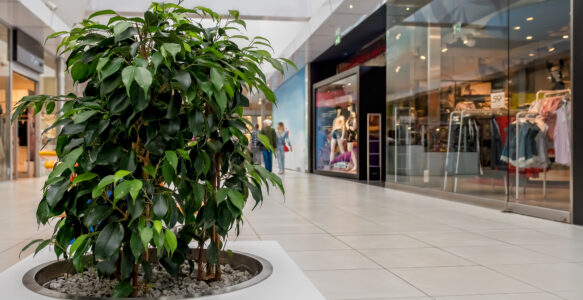
The American mall is not dying—it’s dividing. While roughly 1,200 malls remain across the United States as of 2025, according to Capital One Shopping Research, projections suggest only 900 will still operate by 2028.
After a prolonged period of caution, CRE begins 2026 with greater stability and improving momentum. The market hasn’t rebounded sharply, but pricing has settled, capital is re-entering with intent, and investors are moving from defense toward selective deployment.
Investor and user interest levels have increased, but that hasn’t translated into higher transaction volume. Barriers such as tariffs, interest rates, and elevated construction costs continue to present challenges to completing transactions. Sellers are not budging on price, especially if they have little debt and expect to have rent upside as quality tenants that pay top dollar are abundant.
As vacancies rise and construction costs climb, adaptive reuse has become CRE’s most bankable strategy. Developers are transforming obsolete buildings into productive assets that deliver faster returns, smaller carbon footprints, and stronger community value.
As we head into the 2025 holiday season, the retail real estate landscape is buzzing with transformation. In a recent episode of the CRE with CBC Worldwide Podcast, Dan Spiegel sat down with James Cook, Director of Retail Research at JLL, to unpack the latest trends shaping consumer behavior, site selection, and the future of retail.
As we near the second half of 2025, the US retail CRE sector is standing firm—resilient in the face of market disruption, redefined by experience-driven and mixed-use formats, and regionally-driven, with growth clustered in suburban and Sun Belt markets.
As the commercial market adapts to shifting demands, industrial hubs are surging in value while many traditional retail properties struggle.
As 2025 begins, the rise of experiential retail remains a pivotal strategy for brands aiming to engage with their consumers on more than just a transactional basis.